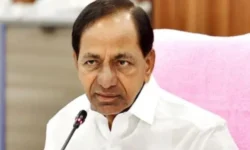





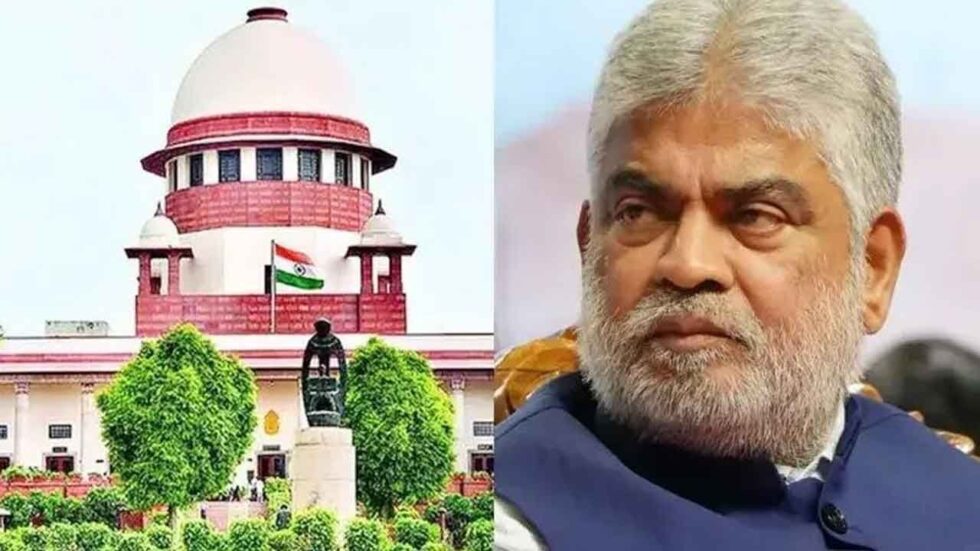
The ongoing Telangana ‘defections’ case, centering around 10 legislators who reportedly switched parties to the Congress, has put the integrity of the Legislative Assembly Speaker and members under scrutiny. The high-stakes political drama is unfolding at a crucial juncture in Telangana, with the office of the Speaker becoming the focal point of a constitutional dispute.
As of February 2026, Speaker G Prasad Kumar finds himself at the heart of a legal controversy involving defecting BRS (Bharat Rashtra Samithi) legislators. Despite the Speaker clearing eight of these MLAs on grounds of insufficient proof, the fate of Danam Nagender and Kadiyam Srihari remains uncertain.
The case goes beyond local politics and serves as a significant test for the Tenth Schedule of the Indian Constitution, examining the evolving role of the Speaker as a quasi-judicial tribunal, and the delicate balance between political loyalty and the “freedom” to defect. The Anti-Defection Law was enacted via the 52nd Amendment in 1985 to curb the “Aaya Ram, Gaya Ram” culture of the 1960s, where legislators frequently switched parties for personal gain.
In this context, a member is disqualified if they voluntarily relinquish their party membership. The Supreme Court has made it clear that such relinquishment doesn’t necessarily require a formal resignation; conduct like attending another party’s rallies or campaigning against one’s own party can also constitute voluntary relinquishment.
Defying the party whip is also considered a breach of party discipline in the Telangana case. Voting or abstaining from voting against party directions without seeking prior permission will be regarded as defiance of the party whip and may lead to disqualification.