





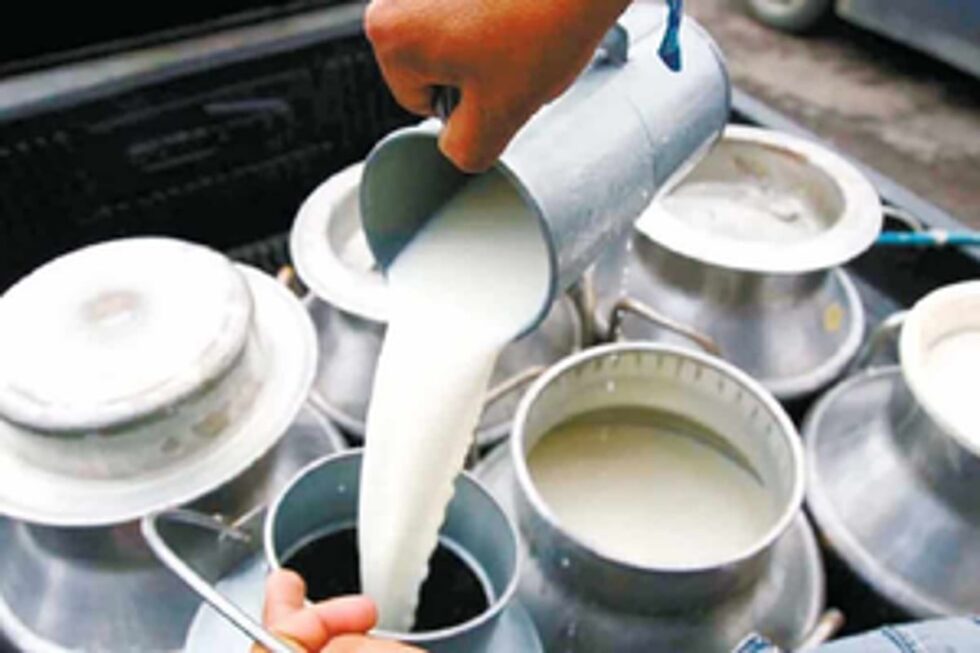
In a tragic turn of events, at least twelve individuals have lost their lives due to acute renal failure linked to adulterated milk in Rajahmundry city, Andhra Pradesh. The latest fatality was reported on March 8, with 73-year-old Senapathi Ramalaxmi succumbing to her illness at a private hospital.
Ramalaxmi, a resident of Laalacheruvu, was admitted to the hospital on February 16 after consuming adulterated milk. Nine individuals, including three infants, remain critically ill with acute renal failure.
According to East Godavari District Collector Kirthi Chekuri, approximately 20 people have developed acute renal failure following the consumption of milk contaminated with Ethylene Glycol. The first signs of this outbreak emerged on February 16, when several individuals were admitted to various hospitals due to urinary obstruction and kidney-related issues.
The tragedy took a darker turn on February 22, when Tadi Krishnaveni (76) passed away at the Kakinada Government Hospital while undergoing treatment for anuria (inability to pass urine). Investigations revealed that Krishnaveni’s case was linked to others who had been admitted with similar symptoms.
As part of the ongoing investigation, blood samples from the victims, adulterated milk and curd supplied to them, milk from Varalakshmi Milk Centre run by Addala Ganeswara Rao in Narasapuram, the freezer used for storage, and other related materials have been sent for analysis to various labs, including the Forensic Science Laboratory (FSL), Regional Forensic Science Laboratory (RFSL), and others.
Preliminary findings suggest that Ganeswara Rao, 37, has been collecting milk from around 43 farmers in Narasapuram village for some time. He stores the milk in a freezer with two containers at his residence before pouring it into cans and distributing it to residents of Chaudeswaranagar and Swaroopnagar areas in the city.
The adulterated milk scandal has sent shockwaves through the community, highlighting the urgent need for stricter regulations and oversight in the dairy industry to prevent such tragedies from recurring.